Breaking · News 61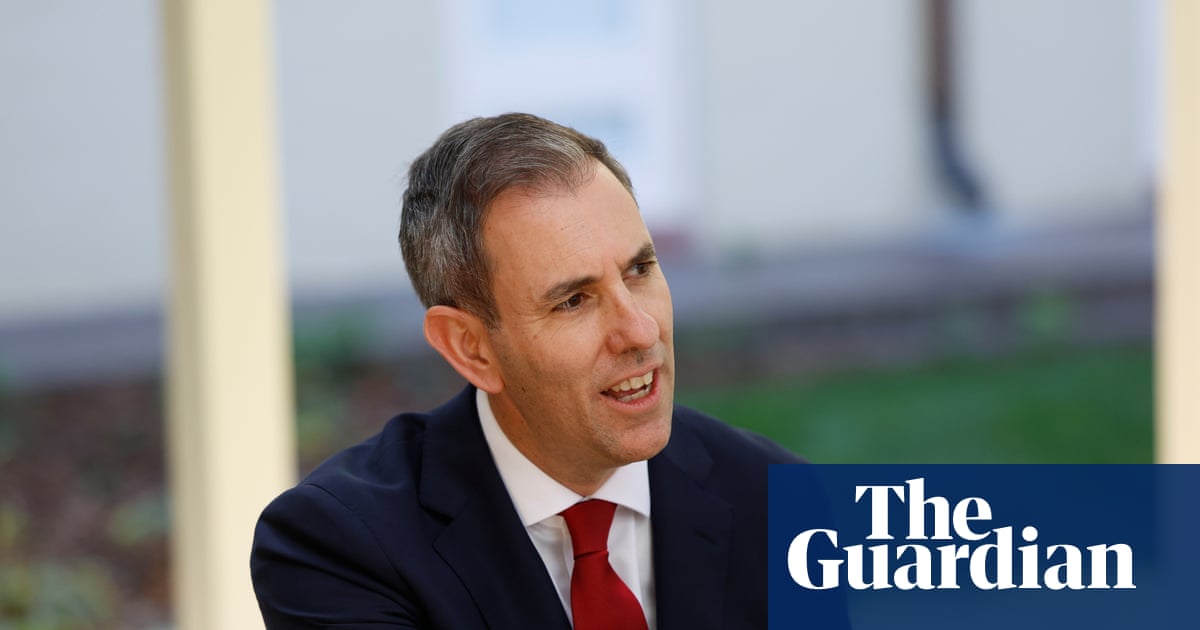
Labor says better investment in early childhood education and care, such as a possible move to universal access for families, is a better way to address Australia’s declining birthrate, rejecting the need for a new “baby bonus”. Monday’s intergenerational report showed that more Australians will be dying than being born in 40 years’ time, a milestone already experienced by countries including South Korea, Italy, Germany and Japan. It is the first time the three-yearly report has forecast more deaths than births.
Lower fertility rates will drive slower population growth, according to Treasury’s report. Australia’s fertility rate is projected to decline to 1.34 by 2065–66, down from 1.5 children per woman in 2030–31. Fertility rates have been below the replacement rate of 2.1 children per woman for 50 years, contributing to a projected drop in population of 1.7 million people and an increase in the projected median age by 1.7 years in 2065–66.
The report says a complex mix of economic, social and cultural factors is to blame, including greater access to contraception, more time spent in education, career development, longer periods living with parents, and delays in forming partnerships and having children. The treasurer, Jim Chalmers , said fewer families with more than three children was part of the drop. “When it comes to fertility rates, I do not and will not give people free advice about these very personal decisions that they make about whether to start a family and when to start family,” he said.
He said federal Labor was making it easier for adults to choose to have more children if they wished, citing expanded paid parental leave, superannuation settings and access to childcare. The prime minister, Anthony Albanese, wants universal childcare to be part of his political legacy, and the government has commissioned consulting giant Deloitte to help design a universal system. Its report on the policy “pathway” is due in time for the next election.
The assistant minister for productivity, Andrew Leigh, said the government would “prefer that it were otherwise, but that’s the norm around the world.” “My read of the evidence, as an economist, is that the biggest impact you have is around childcare, and that’s why we made it such a priority upon coming to government, improving access to childcare, ensuring that it is affordable for Australians.” But, Liberal frontbencher Andrew Hastie said he was “open minded” about an economic incentive, like a return to the Howard government’s baby bonus payment. “The real problem is of course that family formation is being delayed because people can’t get into home soon enough, and families are having less children,” he told ABC TV. “We want Australians to have a better chance of getting into a home, forming a family and having children of their own.” The Nationals leader, Matt Canavan, said families should have more support, but a baby bonus payment was not the right approach.
He has previously called for a “hyper” Australia and “more Australian babies” . He said solutions should be designed around helping families working for their own advancement. “The baby bonus, it was just ‘Here’s some cash’, without you having to put in the effort as well.” Research by the e61 thinktank found that the baby bonus, introduced by then treasurer Peter Costello in 2004, led to births increasing by 6.5%.
Births increased by 10% among mothers with no taxable income, by 8% among below-median income mothers, while there was no change among high-income mothers. It also found that births of a third child increased by 9%, and that mothers who received the baby bonus, as a group, had 6.8% more children in total by 2022. The finance minister, Katy Gallagher, said the government would not revisit the baby bonus.
“Our government doesn’t get into promoting choices for individual families, but we recognise that people making those choices should be supported.”
Source: The Guardian